NL
NL  EN
EN  FR
FR  ES
ES  KO
KO  PT
PT  ZH
ZH  AR
AR  FA
FA  RU
RU  MS
MS  VI
VI  PH
PH  TH
TH  ID
ID 


Day trading has become increasingly accessible thanks to modern technology and mobile trading platforms. Instead of relying on traditional brokerage offices or complex desktop systems, traders can now analyze markets, place orders, and manage their positions directly from their smartphones. However, with hundreds of trading platforms available, choosing the best day trading app can be challenging, especially for beginners who are still learning how financial markets work.
A good trading app should do more than simply allow users to buy and sell assets. It should provide reliable market access, useful trading tools, strong security features, and an intuitive experience that helps traders make informed decisions. Understanding what features matter most is the first step toward finding a platform that matches your trading goals.
What Is a Day Trading App?
A day trading app is a mobile or web-based application that allows traders to open and close positions within the same trading day. Unlike long-term investing, day trading focuses on taking advantage of short-term price movements in markets such as stocks, forex, cryptocurrencies, indices, and commodities.
Because day traders often make multiple trades within a short period, speed, accuracy, and access to real-time information are essential. A delayed price update, complicated interface, or slow order execution can significantly affect trading results.
For beginners, selecting the right platform is not only about finding the cheapest option. The best day trading app should provide a balanced combination of usability, advanced features, educational resources, and reliable performance.
How Beginners Can Find the Best Day Trading App
Choosing a trading application requires careful evaluation. Beginners should avoid making decisions based only on advertising, popularity, or promises of quick profits. Instead, they should focus on several important factors that influence the overall trading experience.
1. Check the App’s User Experience and Interface
One of the first things beginners should consider is how easy the app is to use. A complicated platform with too many unnecessary features can create confusion and increase the risk of mistakes.
The best trading applications usually offer:
- Clear navigation menus
- Easy-to-understand charts
- Simple order placement
- Customizable dashboards
- Quick access to account information
A clean interface helps beginners focus on market analysis rather than struggling with technical settings.
When searching for the best day trading app, traders should test whether they can quickly find important functions such as opening a trade, setting stop-loss orders, reviewing positions, and analyzing charts.
2. Look for Fast and Reliable Order Execution
Speed is one of the most important elements of day trading. Since traders often aim to profit from small price changes, even a short delay can impact the outcome of a trade.
A reliable trading app should provide:
- Fast order processing
- Stable performance during periods of high market activity
- Minimal technical issues
- Real-time price updates
Beginners should also understand the different order types available, including market orders, limit orders, and stop-loss orders. These tools help traders manage their positions more effectively.
3. Evaluate Available Markets and Assets
Different traders have different interests. Some may prefer stocks, while others focus on forex, cryptocurrencies, ETFs, or commodities.
Before choosing a platform, beginners should check which markets are available. A flexible trading app may provide access to multiple asset classes, allowing users to diversify their strategies.
For example, someone interested in technology companies may need access to stock markets, while a forex trader will require currency pairs and relevant market analysis tools.
The best day trading app should offer the markets that align with the trader’s objectives while providing transparent information about available instruments.
4. Compare Trading Fees and Costs
Costs can have a major impact on day trading performance because frequent trading may involve many transactions.
Important fees to review include:
- Commission charges
- Spreads
- Withdrawal fees
- Account maintenance fees
- Overnight financing costs (if applicable)
A platform with low fees may seem attractive, but beginners should consider the overall value. A cheaper app with limited tools or poor execution may not necessarily be the better choice.
The goal is to find a platform that offers competitive pricing without sacrificing important features.
5. Prioritize Security and Regulation
Security should always be a top priority when choosing a trading platform. Since users provide personal information and deposit funds, the app should include strong protection measures.
Important security features include:
- Two-factor authentication
- Data encryption
- Account protection systems
- Transparent company information
Beginners should also research whether the provider operates under financial regulations. Regulated brokers generally follow specific requirements designed to protect clients and maintain fair trading practices.
A trustworthy best day trading app should make security information easy to find and explain how user funds and data are protected.
6. Check Charting Tools and Market Analysis Features
Successful day trading requires more than simply watching prices move. Traders need tools that help them analyze market trends and identify potential opportunities.
Useful features include:
- Technical indicators
- Customizable charts
- Drawing tools
- Market news updates
- Economic calendars
- Price alerts
Indicators such as moving averages, RSI, and MACD are commonly used by traders to study price movements. While these tools cannot predict the market with certainty, they can help users build structured trading strategies.
For beginners, an app with built-in educational materials and analysis features can make the learning process easier.
7. Consider Demo Accounts and Learning Resources
Before risking real money, beginners should practice using a demo account. Many professional trading platforms offer simulated accounts where users can test strategies with virtual funds.
A demo account allows traders to:
- Learn how the platform works
- Practice placing orders
- Understand market movements
- Test risk management techniques
Educational resources are another valuable feature. Tutorials, webinars, guides, and market explanations can help beginners develop stronger trading knowledge.
The best day trading app for beginners is often one that supports learning instead of encouraging users to trade without preparation.
Common Mistakes Beginners Should Avoid When Choosing a Trading App
Many new traders focus only on potential profits and ignore important platform features. Some common mistakes include:
Choosing an App Based Only on Popularity
A popular app is not automatically the right choice for every trader. Individual goals, preferred markets, and experience levels should influence the decision.
Ignoring Security Features
Never choose a platform without researching its security practices and regulatory background.
Selecting Too Many Features Instead of the Right Features
More tools do not always mean better results. Beginners often benefit more from a simple and reliable platform than from an advanced system they do not understand.
Not Considering Customer Support
Technical issues can happen at any time. Responsive customer support can be extremely valuable, especially for beginners who need assistance.
Mobile Trading vs Desktop Trading: Which Is Better?
Mobile trading apps provide flexibility because traders can monitor markets from almost anywhere. They are convenient for checking positions, receiving alerts, and managing trades quickly.
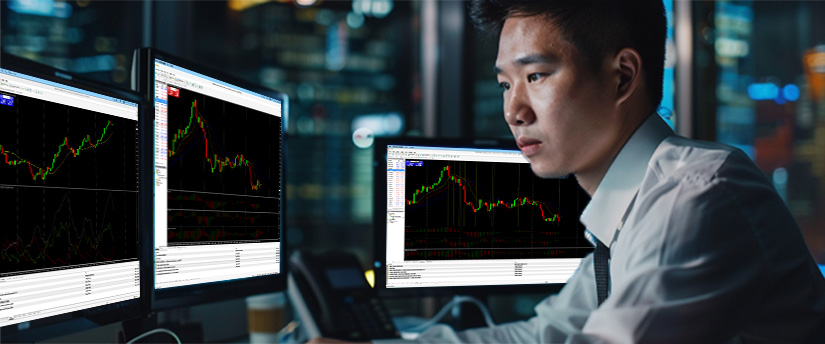
However, desktop platforms often provide more advanced charting capabilities and a larger workspace, which can be useful for detailed market analysis.
Many experienced traders use both options: desktop platforms for deeper research and mobile apps for monitoring and quick actions.
Final Thoughts: Choosing the Best Day Trading App
Finding the best day trading app is not about selecting the platform with the most advertisements or the highest number of users. Beginners should focus on reliability, security, available markets, trading costs, analytical tools, and ease of use.
A suitable trading app should help users understand markets, manage risk, and improve their trading skills over time. Before committing real money, beginners should explore demo accounts, compare different platforms, and make sure the app matches their personal trading goals.
Day trading involves significant risk, and no application can guarantee profits. However, choosing a well-designed and trustworthy platform can provide a stronger foundation for developing responsible trading habits.