 EN
EN  FR
FR  ES
ES  KO
KO  PT
PT  ZH
ZH  AR
AR  FA
FA  RU
RU  NL
NL  MS
MS  VI
VI  PH
PH  TH
TH  ID
ID We anticipate that the main focus for traders today may be the US CPI rates that are due during the…
Read More

We anticipate that the main focus for traders today may be the US CPI rates that are due during the…
Read MoreThe USD remained in a relatively tight rangebound movement against its peers on Friday, yet the coming week is expected…
Read MoreA rather easy-going week is about to end as we open a window to what next week has in store…
Read MoreThe USD edged lower against its counterparts yesterday possibly set under selling pressure due to the lower US Treasury yields…
Read MoreIn yesterday’s American session the Bank of Canada hiked by 25 basis points reaching 22-year highs. However, this did not…
Read MoreUS stock markets tended to send mixed signals over the past week implying a rather indecisive market. It should be…
Read More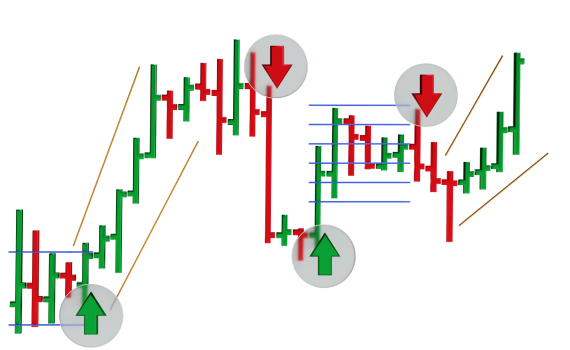
Technical Analysts believe that every relevant market factor is already counted in the instrument’s price. As such, the only thing they need to analyse is the price movement.
Prices are always expected to form and follow trends, even at random. It is more likely for a price to continue a past trend than to move erratically.
Technical Analysts base their predictions on the observation that history tends to move in circles and thus repeat itself. They attribute historic price movement to market psychology based on fear or excitement. By trying to pinpoint these emotions when analysing chart patterns and understanding movement trends, analysts aim at predicting future price movement from market sentiment.
Peter Iosif
Senior Research Analyst
Chartered Accountant (ACA), Member of ICAEW

All trading involves risk. It is possible to lose all your capital.