 EN
EN  FR
FR  ES
ES  KO
KO  PT
PT  ZH
ZH  AR
AR  FA
FA  RU
RU  NL
NL  MS
MS  VI
VI  PH
PH  TH
TH  ID
ID The RBNZ interest rate decision is due to take place in tomorrow’s Asian session. NZD OIS currently implies a 98%…
Read More

The RBNZ interest rate decision is due to take place in tomorrow’s Asian session. NZD OIS currently implies a 98%…
Read MoreThe USD got some temporary support against its counterparts on Friday as the US employment report for March on Friday…
Read MoreAs the week draws to a close let’s have a look at what’s scheduled next week. On the monetary front,…
Read MoreToday attention is expected to turn towards the release of the US employment report for March. The Non-Farm Payrolls figure…
Read MoreThe US ADP Non-Farm Employment figure for March vastly exceeded market expectations by coming in at 184k versus the expected…
Read MoreWe note that all three major indexes corrected lower after hitting new record high levels, since our report last week.…
Read More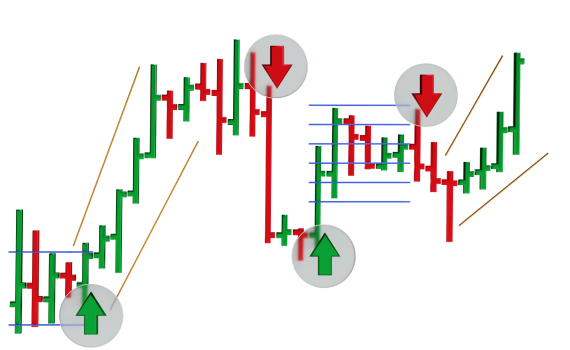
Technical Analysts believe that every relevant market factor is already counted in the instrument’s price. As such, the only thing they need to analyse is the price movement.
Prices are always expected to form and follow trends, even at random. It is more likely for a price to continue a past trend than to move erratically.
Technical Analysts base their predictions on the observation that history tends to move in circles and thus repeat itself. They attribute historic price movement to market psychology based on fear or excitement. By trying to pinpoint these emotions when analysing chart patterns and understanding movement trends, analysts aim at predicting future price movement from market sentiment.
Peter Iosif
Senior Research Analyst
Chartered Accountant (ACA), Member of ICAEW

All trading involves risk. It is possible to lose all your capital.